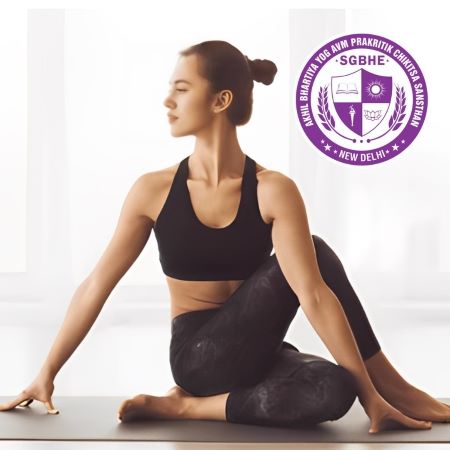
Yoga Asanas for Mental Health – A Simple Way to Relieve Stress
In today’s fast-paced world, stress, anxiety, and depression have become common. Our minds remain cluttered with work pressure, personal problems, and digital distractions. Over time, this mental stress begins to harm not only our emotional well-being but also our physical health.
Yoga offers a holistic and natural way to restore mental peace, balance emotions, and improve focus. With a combination of asanas (postures), pranayama (breathing techniques), and meditation, yoga creates harmony between the body and mind, helping you experience inner calm.
Why Yoga for Mental Health?
The practice of yoga stimulates the parasympathetic nervous system, which reduces the production of stress hormones like cortisol and adrenaline. It increases oxygen flow to the brain, improves the release of serotonin (“happiness hormone”), and enhances self-awareness. Studies have shown that regular yoga practice can:
Reduce symptoms of stress, anxiety, and mild depression
Improve focus, memory, and decision-making abilities
Enhance emotional resilience
Promote better sleep patterns
1. Yoga Asanas for Mental Health
Here are some effective postures for mental relaxation and emotional balance:
1.1 Balasana (Child’s Pose)
Benefits: Calms the mind, releases tension in the back, and promotes deep relaxation.
How to Practice:
Kneel on the floor, sit on your heels, and lean forward.
Stretch your arms forward with your forehead resting on the mat.
Breathe deeply and stay for 1–3 minutes.
1.2 Sukhasana (Easy Pose)
Benefits: Reduces anxiety, promotes inner peace, and helps in meditation.
How to Practice:
Sit cross-legged with a straight spine.
Place your hands on your knees in Gyan Mudra.
Close your eyes and focus on your breath for 5–10 minutes.
1.3 Setu Bandhasana (Bridge Pose)
Benefits: Opens the chest, improves blood flow to the brain, and reduces mild depression.
How to Practice:
Lie on your back with knees bent and feet hip-width apart.
Lift your hips while keeping shoulders and head on the mat.
Hold for 20–30 seconds, breathing deeply.
1.4 Shavasana (Corpse Pose)
Benefits: Relieves fatigue, calms the nervous system, and promotes deep rest.
How to Practice:
Lie flat on your back with arms and legs relaxed.
Keep your eyes closed and focus on your breath.
Stay for 5–10 minutes for complete relaxation.
2. Breathing Techniques for Stress Relief
2.1 Anulom Vilom (Alternate Nostril Breathing)
Balances both brain hemispheres, reduces anxiety, and improves concentration.
Practice for 5–10 minutes daily.
2.2 Bhramari Pranayama (Bee Breath)
Produces a soothing vibration in the brain, reducing mental chatter.
Inhale deeply, then make a humming sound while exhaling.
2.3 Deep Belly Breathing
Relaxes the diaphragm and improves oxygen intake, instantly reducing stress.
3. Meditation for Mental Peace
Mindfulness Meditation
Sit comfortably, close your eyes, and focus on your breath. When thoughts arise, acknowledge them without judgment and return your attention to breathing.
Loving-Kindness Meditation (Metta)
Focus on sending positive thoughts to yourself and others: “May I be happy. May I be healthy. May I live with ease.”
4. Practical Tips for Better Results
Practice yoga daily for at least 20–30 minutes.
Avoid rushing—stay mindful during each pose and breath.
Combine yoga with a healthy diet and good sleep.
Limit screen time before bedtime.
5. Conclusion
Yoga is not just a physical exercise—it’s a mental and emotional healing practice. Regular yoga, pranayama, and meditation can help you break free from the grip of stress, improve mental clarity, and lead to a balanced and joyful life.
If you are looking to learn these techniques under expert guidance, Akhil Bhartiya Yog Evam Prakritik Chikitsa Sansthan (ABYPCS) conducts workshops and training programs where you can experience the true power of yoga for mental health.